


 Back to Articles
The Future of Home Security: 5 Home Security Technology Trends for 2025 and Beyond

Share:


Recently, each passing year can feel like there’s a never-ending cycle of new technology and software updates that affect day-to-day life. With such rapid development and integration, staying informed about new tech trends becomes increasingly important. And when it comes to home security tech trends, the steady advancement of technology and smart home security devices has consistently grown in exciting new ways.
As technology continues to advance and home security providers find creative, effective ways to build on existing systems, homeowners can take full advantage of new insights, convenience, and improved safety features.
From artificial intelligence (AI) analytics integration to improved smart sensor technology, here are the top home security tech trends to stay aware of in 2025 and beyond.
1. AI Software and Systems
These days, it’s difficult to turn anywhere without hearing about, seeing, or even interacting with some form of artificial intelligence. In just a few years since its release, ChatGPT has created new avenues of automation. Most simple computer programs now offer some form of an AI “helper,” and smartphone companies regularly advertise the everyday use of chatbots. Even a simple search engine query yields condensed, AI-driven results.
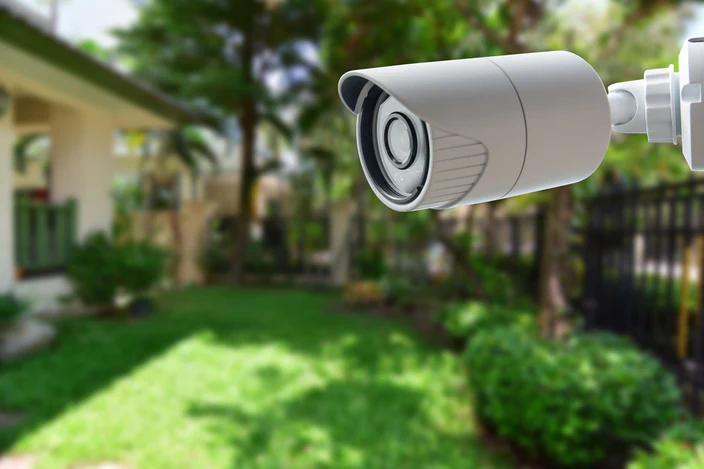
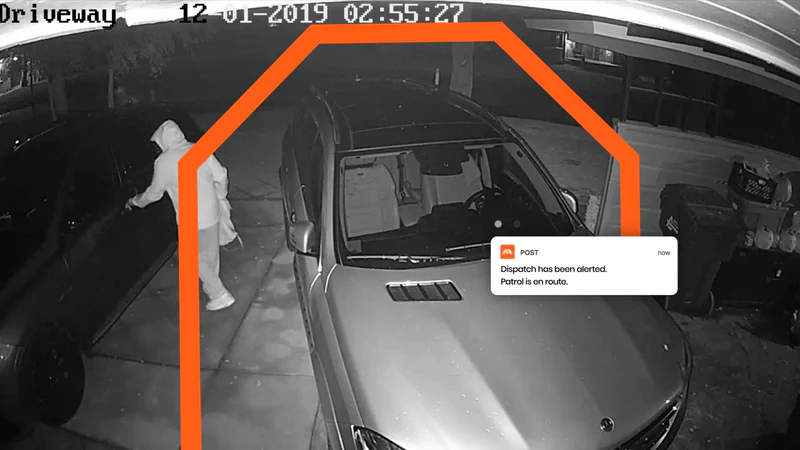
But what other ways is AI driving technological advances? In home security tech trends, AI is especially helpful to enhance surveillance capabilities, and in turn improve the ability for security systems to detect and respond effectively in the event of an emergency. Even basic, entry-level DIY security cameras offer advanced, AI-driven capabilities out of the box.
Benefits of AI in Home Security:
- Enhanced surveillance and detection that analyzes video in real-time, identifying threats and notifying first responders while reducing false alarms.
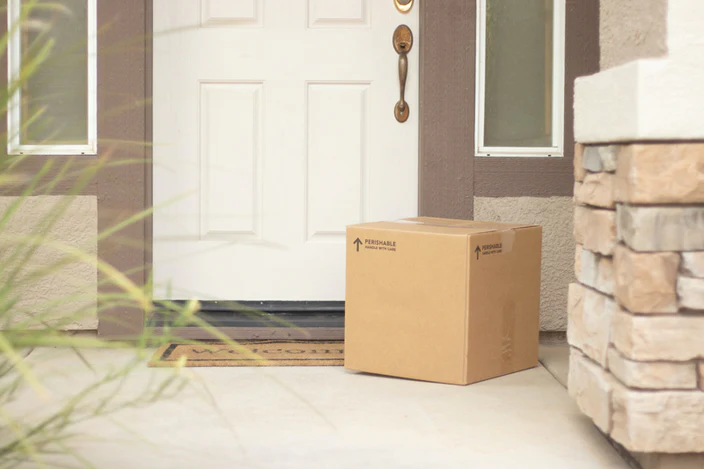
- Object detection via doorbell cameras for package deliveries.
- Faster, more efficient Smart Home integration that automates system responses when triggered, activating alarms, locking doors, and notifying users and authorities.
- Reduced notifications and false alarms with improved detection capabilities that only notify users during an emergency.
And in the hands of an experienced home security provider, AI is becoming a powerful tool for better home protection. For example, Post Alarm’s live video monitoring services utilize AI in surveillance cameras with advanced analytics capabilities.
These cameras provide better detection and proactive monitoring for identifying and addressing potential security threats. For instance, the software can distinguish whether the motion on your property was due to a potential intruder or simply the neighborhood cat making its rounds.
Generally, AI software is helping to elevate existing components of security systems and, in turn, enhancing their protection capabilities and efficiency for homeowners.
2. Advanced Access Control Systems
From helping to reduce incidents of theft and vandalism to limiting access to sensitive areas and materials, businesses, small and large, use access control systems to help mitigate risk and maintain the overall security of an organization.
As we generally think about them today, access control systems have been in use in some form since the mid-20th century. The earliest electronic IP door access control systems used punch cards and eventually magnetic stripe cards in the 1960s.
Modern access control systems utilize an array of remote and mobile control, with devices like:
- Mobile access systems that allow for credentialed smartphones to replace traditional key cards or fobs for entry.
- Visitor management systems that allow for fast and easy creation and deletion of credentialed users while cataloguing who went where, and when.
- Voice-activated intercom and surveillance combinations for additional layers of control and protection.
Just like the magnetic stripe cards of the ‘60s, the future of access control lies in refining and improving on current capabilities. One tech trend that may be on the rise is the use of biometric authentication – utilizing fingerprints or facial recognition – more commonly to verify identities.
While existing technology utilizes the ability to control and manage access permissions for users in the database, advanced access control trends include creating even more efficiencies within those existing programs. Think mobile management for greater organizational flexibility, remote door access control for one-time use cases, and AI-enhanced analytical data that can provide key insights into daily operations and potential security risks.
3. Cloud-Based Security
Generally speaking, “hard-wired” home security systems offer greater protection and reliability. While cloud-based storage is increasingly used in home security, and wireless alarm systems are available, systems that rely on a wireless connection are more susceptible to interference from other devices, and are easier to hack since they don’t operate on a closed circuit like wired connections.
Additionally, wired systems draw power from your home’s electrical system, so you can trust that they’re always working. Even in the case of a power outage, most modern systems utilize a backup battery that keeps your security services online.
However, that doesn’t mean there aren’t ways that wireless capabilities are being integrated into aspects of home security. The advancement of cloud-based storage across so many facets of technology has inevitably made security systems more efficient.
Rather than storing surveillance footage on a local device or hard drive in your home, cloud-based storage offers the opportunity to store recorded video on remote servers accessible from anywhere. That means it’s getting faster and easier than ever to access those live camera feeds to check in on your home – whether you’re just at the office or across the country.
4. Smart Sensor Technology
A cornerstone of any layered approach to home security should include the use of contact and motion sensors. Post Alarm suggests that every door and window is equipped with a contact sensor. These devices trigger an alert when a door or window is opened, indicating a potential intrusion into your home. And when your system is armed, they will trigger your alarm.
As technology advances, window, door, and other interior contact and motion sensors have much wider, more accurate coverage areas. Modern sensors also offer more custom alerts and system integration, meaning you can receive notifications of specific motion events and even video clips of any coordinated security camera set-ups.
Expanding home security tech trends in the realm of motion detectors include glass break detectors. These devices trigger your alarm at the first sign of a forced window or glass door entry, which is a great defense against second-story burglary attempts.
And to further protect larger properties, consider outdoor perimeter alarms. These systems include ground sensors, sirens, and automated lights that not only alert homeowners to potential trespassers, they also act as a deterrent to intruders who know they have been detected.
5. IoT (Internet of Things) Integration
When you see any reference to the Internet of Things (IoT), it’s simply referring to a network of devices (in this case, the “things”) that are able to connect with each other via an internet connection. In terms of home security and IoT, we typically think of Smart Home security.
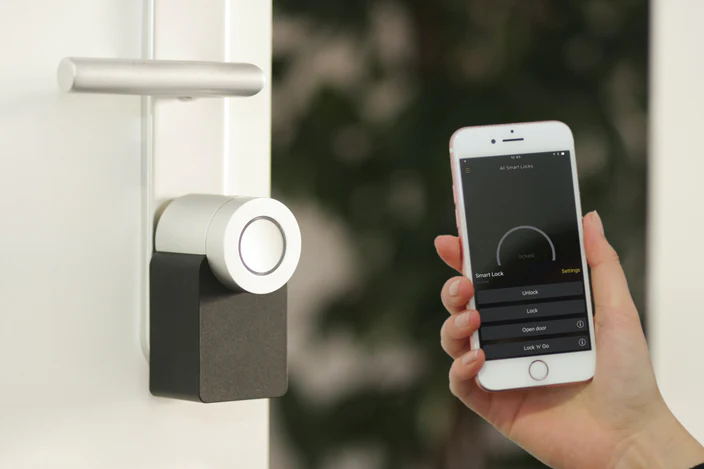
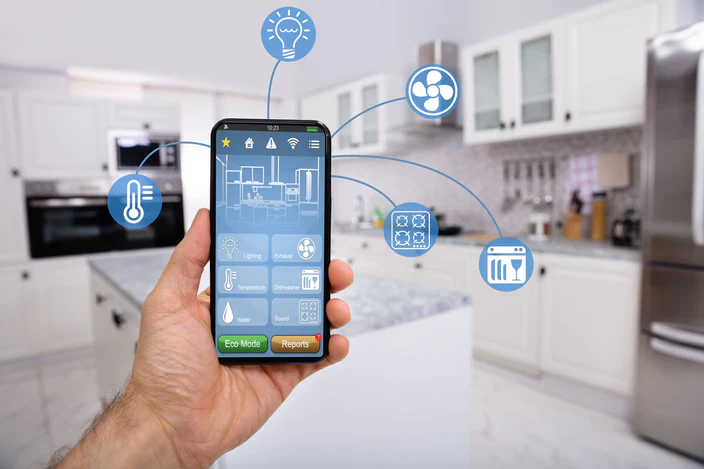
While Smart Home security isn’t exactly new, it’s always changing and rapidly advancing. Modern home security systems allow you to customize, combine, and synchronize every aspect of your home defense, with total mobile control. That means devices like smart cameras, motion sensors, automatic door locks, and even thermostats are linked to a singular network that can be accessed remotely through a smartphone app.
But what does this mean for future home security tech trends?
Simply put, IoT (and advancing technology in the devices it comprises) enhances home security by:
- Automating responses like locking doors, turning on lights, and triggering alarms at the first sign of motion sensor detecting activity.
- Creating comprehensive systems that combine live video feeds with advanced access control devices.
- Custom automation for specific situations, like setting the thermostat and turning on lights at your usual arrival time after work.
- Personalized preferences that systems adapt to based on user habits, routines, and shared data between devices.
A smart home security system as a whole is greater than the sum of its parts. Much like AI advancing existing devices, as each component of a smart home makeup gets more efficient and dynamic, so will the total output of home protection from a single system.
Securing Southern California Since 1956.
Staying on top of home security tech trends requires the expert guidance of an experienced home security provider. For more than sixty years, Post Alarm has provided customers with the most advanced and reliable security solutions available.
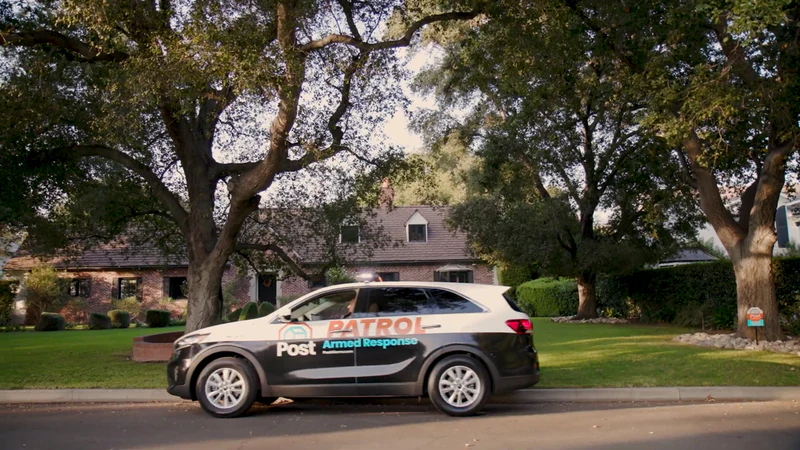
As a privately held, local, third-generation family business, Post has provided alarm and patrol services to Southern California communities, neighborhoods, and homeowners since 1956.
Our family founded Post Alarm with a passion for protecting people and the neighborhoods we call home. Now, we’re one of the only local, full-service security organizations in the Southern California area, providing professionally installed, fully integrated, and customized security solutions that result in earlier threat detection and a synchronized response, getting you help faster when it matters most.
Ready to start building your custom video monitoring and security package? Reach out and get a free security quote today!